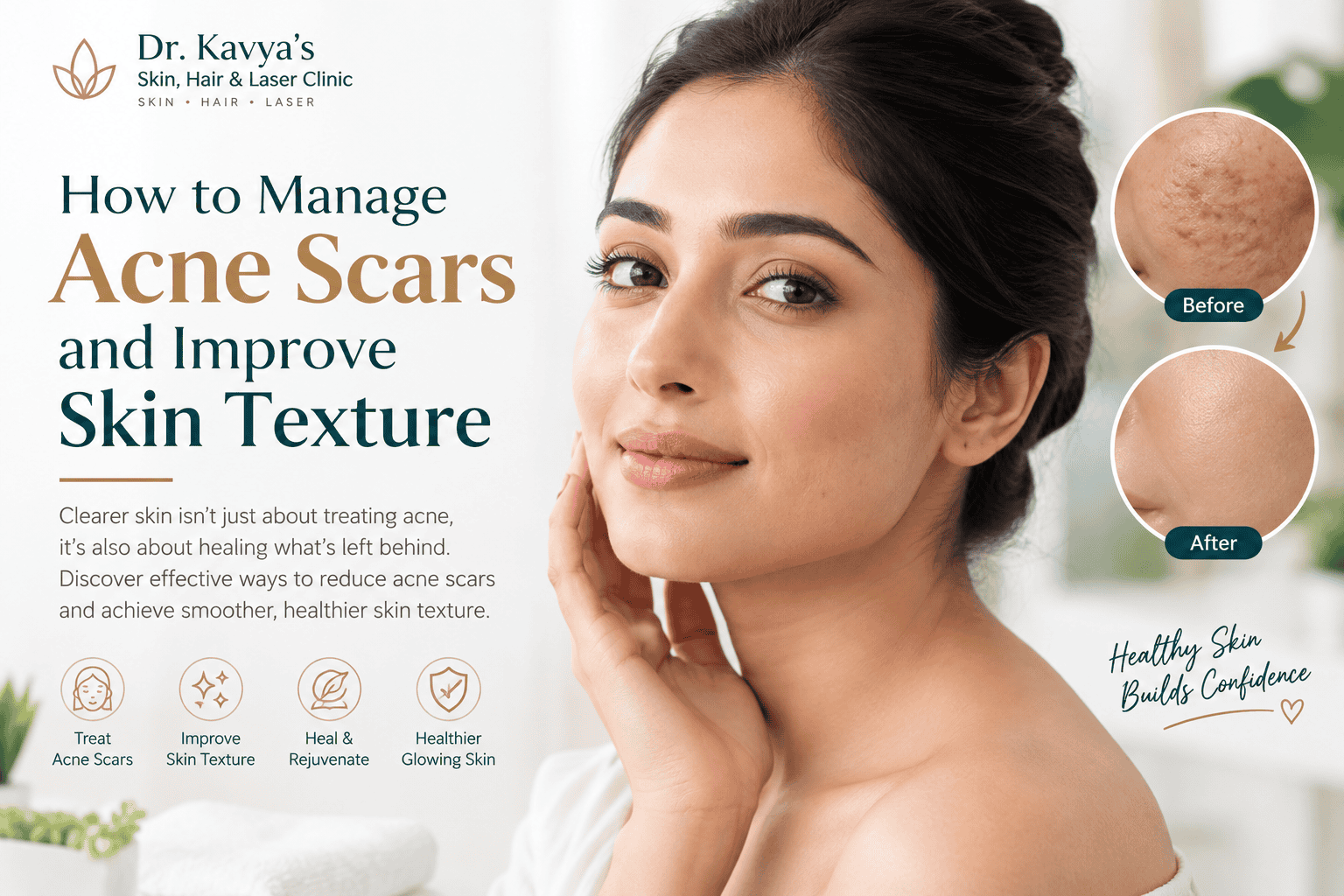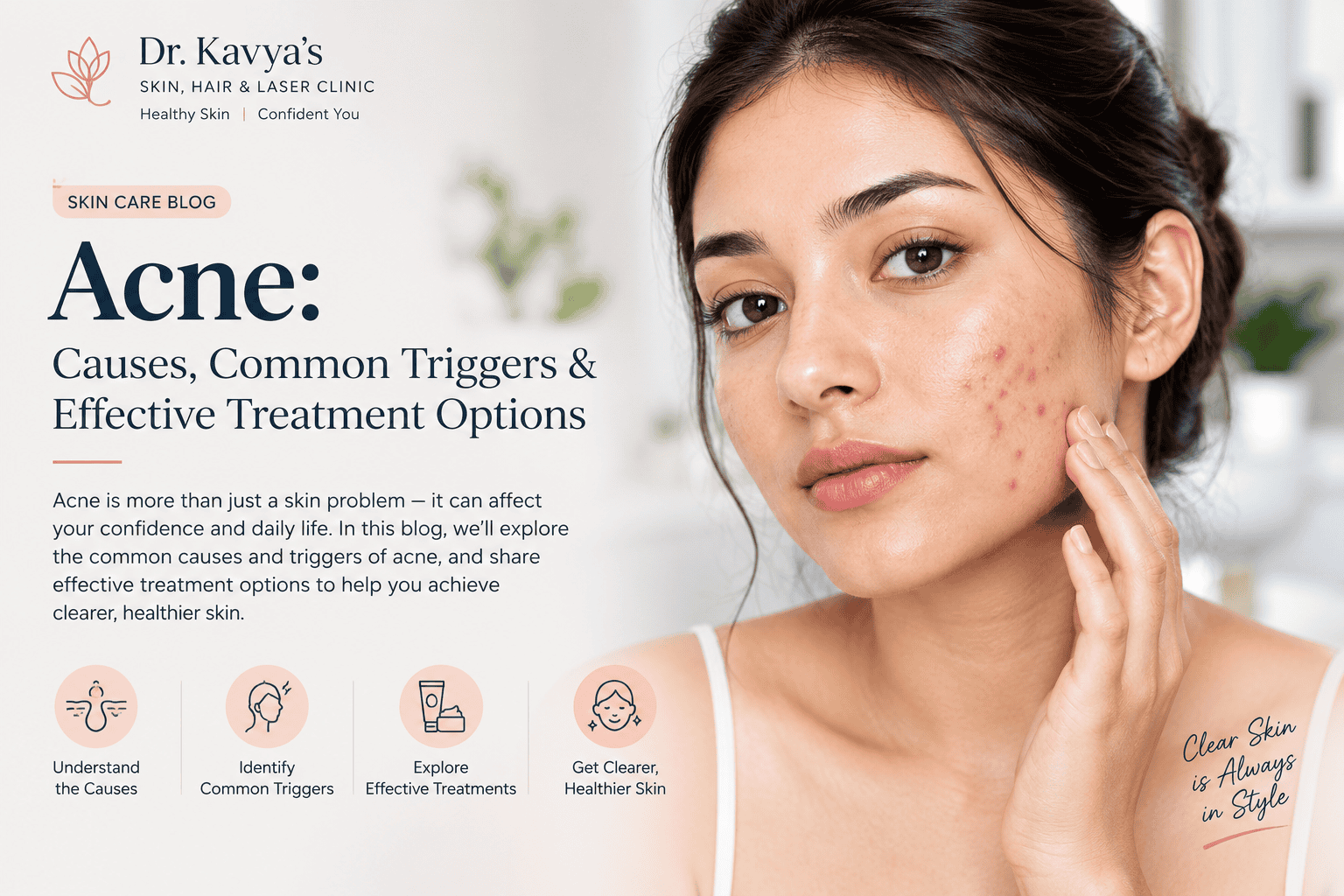
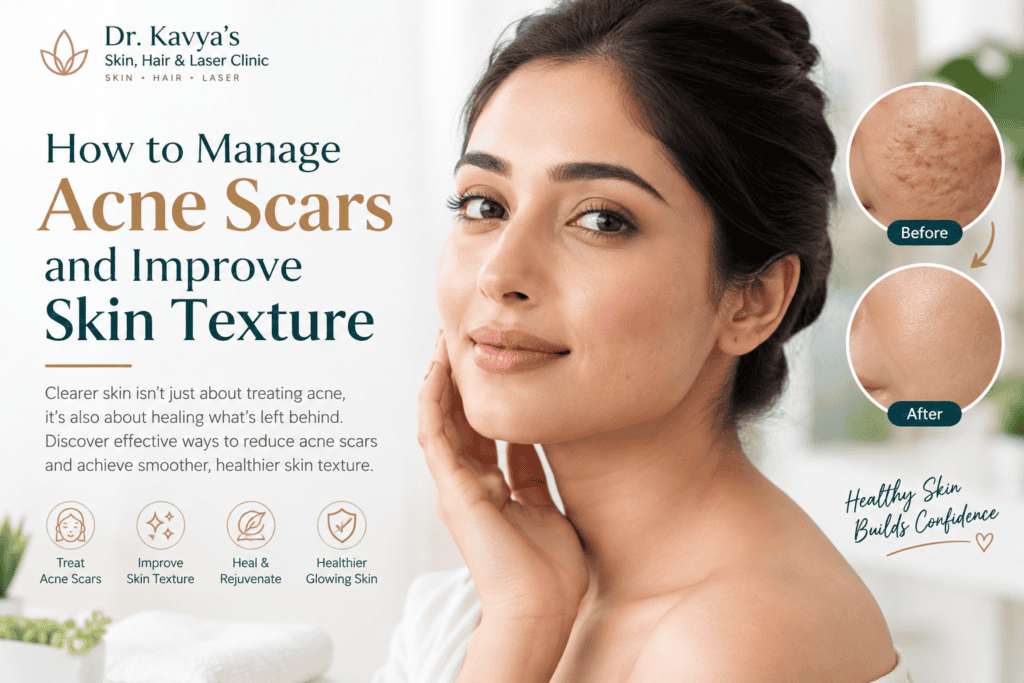
Acne can be frustrating, but for many people, the problem does not end when the active acne disappears. Acne scars, uneven skin texture, dark marks and enlarged pores can remain for months or even years. The good news is that with the right skincare routine and appropriate dermatological treatment, the appearance of acne scars and uneven skin texture can be improved significantly.
What Causes Acne Scars?
Acne scars usually develop when inflammation from acne damages the deeper layers of the skin. Picking, squeezing or repeatedly touching pimples can increase the risk of scarring. Acne scars can appear in different forms, including depressed or pitted scars, raised scars and areas of uneven pigmentation.
Understanding the type and severity of your scars is important because different skin concerns may require different treatment approaches.
Start With Proper Skin Care
A consistent skincare routine is one of the first steps toward healthier-looking skin. Gentle cleansing helps remove excess oil, dirt and impurities without unnecessarily irritating the skin. Using a suitable moisturizer can help maintain the skin barrier, while daily sunscreen is particularly important because sun exposure can make pigmentation and post-acne marks more noticeable.
Avoid harsh scrubs and aggressive home treatments, especially if your skin is sensitive or prone to acne. Picking or squeezing active acne can also increase inflammation and the possibility of further marks and scars.
Professional Treatments for Acne Scars
When acne scars are more noticeable, professional dermatological treatments may help improve skin texture. Depending on the type of scars and your individual skin condition, a dermatologist may recommend treatments such as chemical peels, microdermabrasion, dermaroller procedures or laser-based skin rejuvenation.
Chemical Peels
Chemical peels use specially selected solutions to exfoliate damaged outer layers of skin. They may help improve uneven skin tone, pigmentation, rough texture and certain types of acne-related skin concerns. The type and strength of the peel should be selected according to your skin condition.
Microdermabrasion
Microdermabrasion is a non-invasive procedure that gently removes the uppermost layer of the skin. It can help create a smoother skin texture and may be recommended for concerns such as acne scars, pigmentation and uneven skin surface.
Laser Skin Rejuvenation
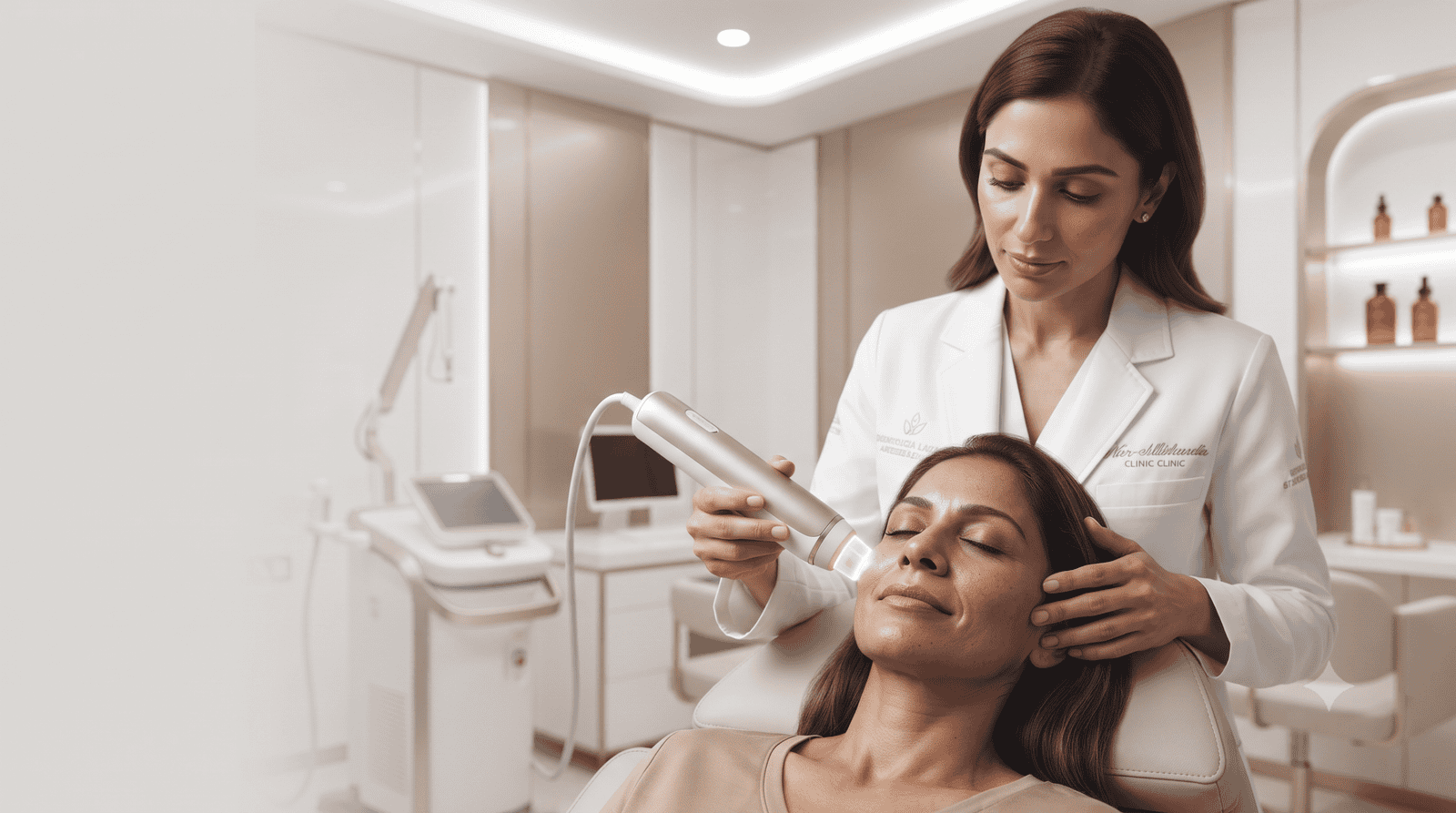
Laser-based treatments can be considered for certain types of acne scars and uneven skin texture. Fractional laser treatments work on targeted areas of the skin and can stimulate the skin’s natural healing response. Results generally develop gradually and may require multiple sessions depending on the individual.
Why Professional Consultation Matters
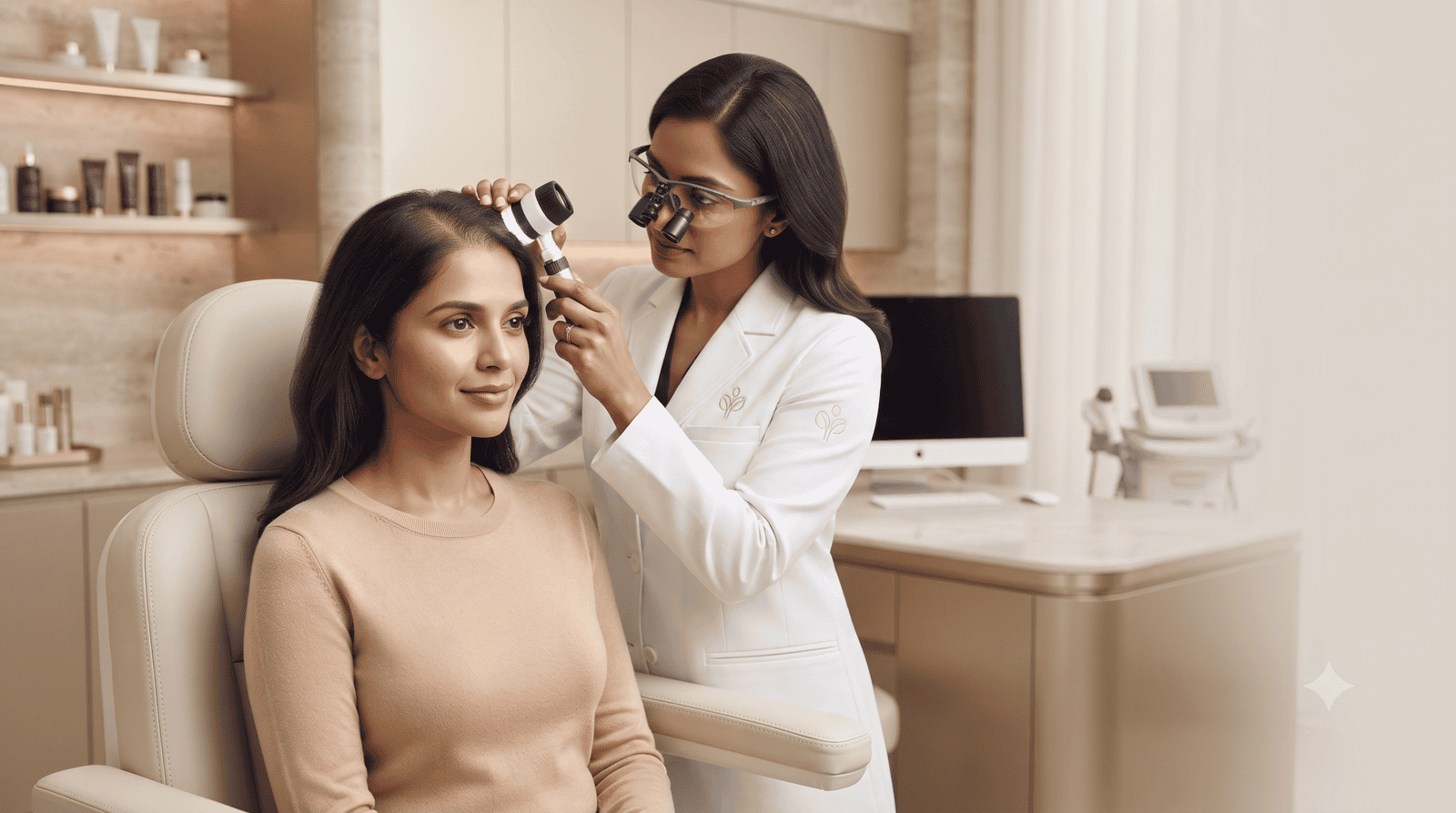
There is no single treatment that works equally well for every type of acne scar. A dermatologist can evaluate your skin, identify the type of scarring and recommend a treatment plan based on your specific needs, skin type and overall condition.
It is also important to remember that acne scar improvement usually takes time. Consistency, appropriate skincare and professionally guided treatment can help you achieve healthier-looking, smoother and more even skin.
Take the First Step Toward Healthier-Looking Skin
Acne scars do not have to define your skin. With modern dermatological and aesthetic treatment options, their appearance can often be improved. If you are concerned about acne scars, pigmentation or uneven skin texture, consider consulting a qualified dermatologist for a personalized evaluation and treatment plan.
Healthy skin starts with the right diagnosis, the right treatment and consistent care.