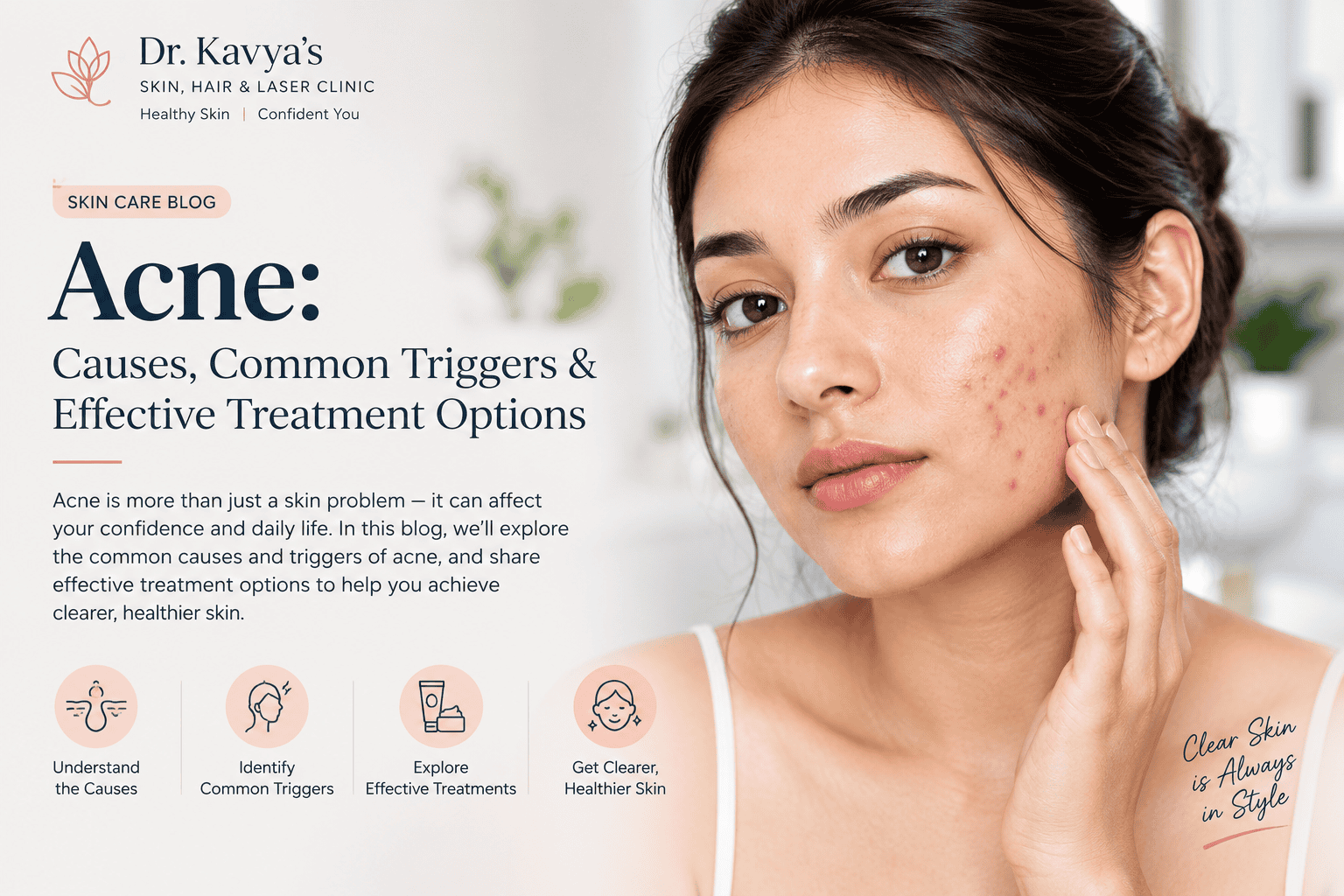
Acne is one of the most common skin concerns and can affect people of different ages. It may appear as pimples, blackheads, whiteheads, red bumps or deeper, painful lesions. While acne is often associated with teenagers, adults can also experience persistent or recurring breakouts. Beyond the physical symptoms, acne can affect confidence and make people feel uncomfortable about their appearance.
Understanding what triggers acne and choosing the right treatment can help improve the overall health and appearance of your skin.
What Causes Acne?
Acne develops when hair follicles become blocked with oil, dead skin cells and other impurities. Increased oil production, changes in hormones and inflammation can contribute to frequent breakouts.
Hormonal changes are one of the common reasons for acne, particularly during adolescence and certain stages of adulthood. Genetics can also influence how likely a person is to develop acne. In some individuals, certain skin-care or cosmetic products may contribute to clogged pores.
Importantly, acne is not simply a result of poor hygiene. Excessive washing or harsh products may actually irritate the skin and make existing acne more uncomfortable.
Common Triggers of Acne
Several factors can contribute to acne flare-ups. These may include hormonal fluctuations, stress, unsuitable skin-care products, excessive oil production and environmental factors.
Some people may also notice changes in their skin during periods of increased stress or lifestyle changes. Picking or squeezing pimples can further irritate the skin and may increase the risk of marks and scars.
Because every person’s skin is different, identifying individual triggers is an important part of effective acne management.
Effective Treatment Options for Acne
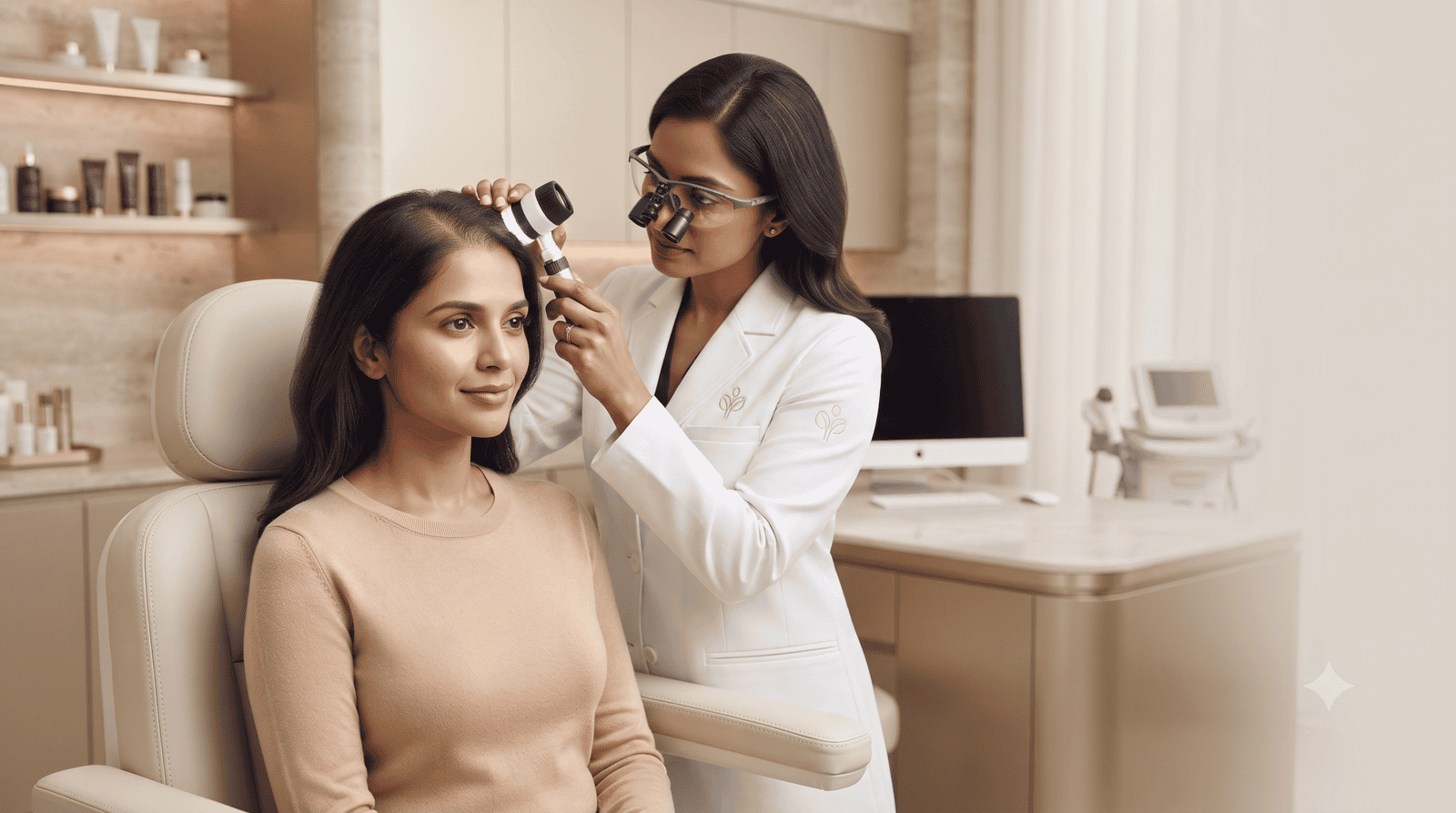
The right acne treatment depends on the type, severity and individual characteristics of the skin. A dermatologist can evaluate the skin and recommend a personalized treatment approach.
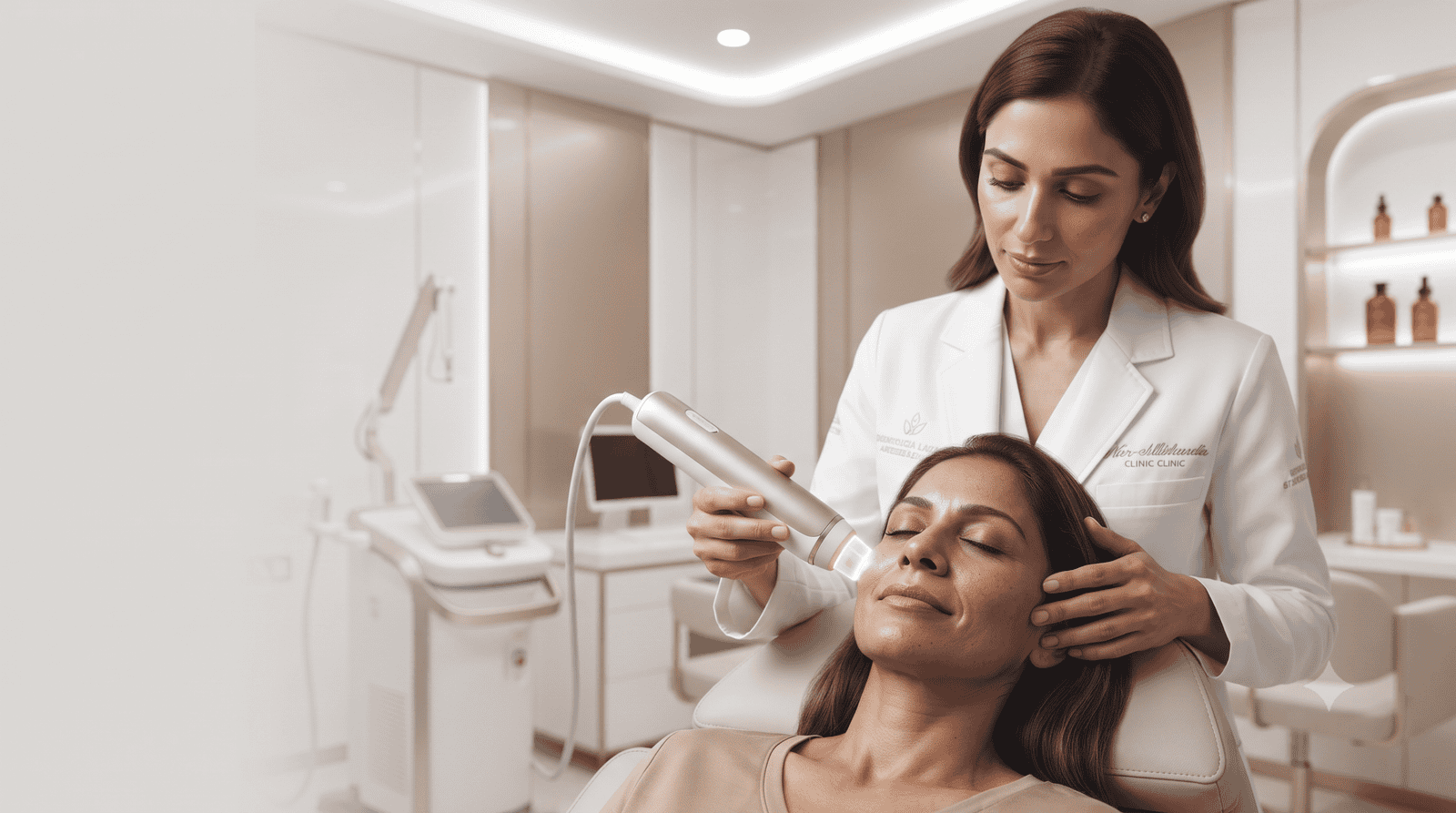
Depending on the condition, professional skin treatments may include chemical peels, microdermabrasion, laser-based procedures and other dermatological treatments. Chemical peels can help exfoliate the skin and may be considered for concerns such as acne and acne scars. Microdermabrasion can improve skin texture by gently removing the uppermost layer of the skin.
For acne scars and uneven skin texture, advanced procedures such as fractional CO2 laser resurfacing may also be considered. This treatment uses controlled laser energy to target specific areas of the skin and can be used for concerns including scars and open pores.
The most suitable treatment should always be selected after professional skin assessment rather than choosing a procedure based only on online recommendations.
Can Acne Be Prevented?
Although acne cannot always be completely prevented, maintaining a consistent and gentle skin-care routine can help support healthier skin. Avoiding unnecessary picking, using suitable skin-care products and seeking professional advice when acne becomes persistent can also be beneficial.
When Should You Consult a Dermatologist?
If acne is persistent, painful, frequently returning or leaving behind dark marks and scars, it may be time to consult a dermatologist. Professional evaluation can help identify the possible contributing factors and create a treatment plan suited to your skin.
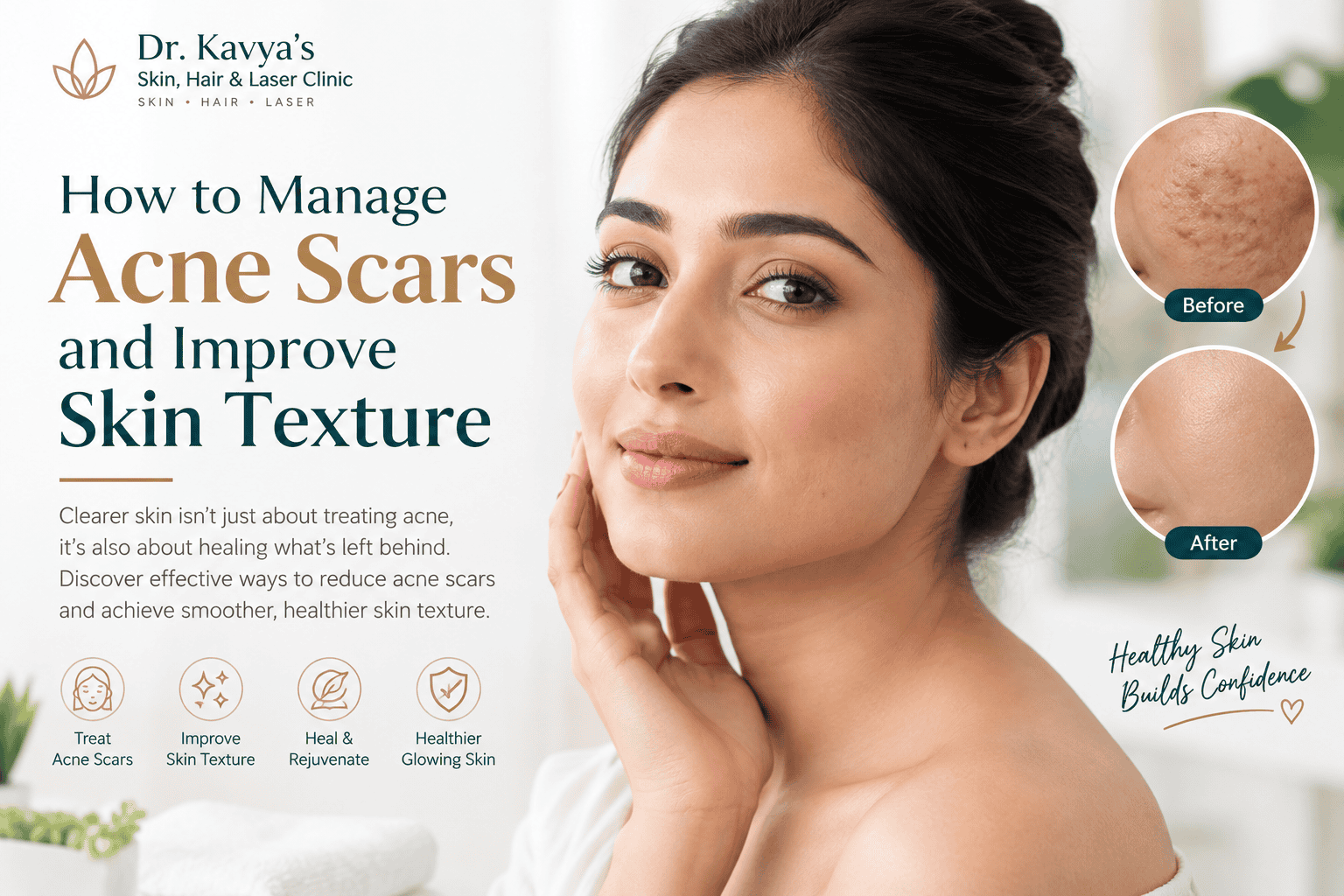
At Dr. Kavya’s Skin, Hair & Laser Clinic, personalized dermatology and aesthetic treatments are provided with a focus on understanding each patient’s skin concerns and selecting appropriate treatment options.
Healthy skin starts with understanding your skin. If acne is affecting your confidence or daily life, professional guidance can help you explore the right path toward clearer, healthier-looking skin.