Healthy, youthful-looking skin does not always require invasive procedures. Non-ablative laser rejuvenation is a modern dermatological treatment designed to improve the appearance and texture of the skin while keeping the outermost layer of the skin largely intact. It is increasingly used for concerns such as uneven skin tone, mild pigmentation, fine lines, rough texture, enlarged pores and early signs of skin ageing.
Unlike ablative laser treatments, which intentionally remove portions of the skin’s surface, non-ablative lasers work by delivering controlled energy into deeper layers of the skin. This stimulates the body’s natural healing response and encourages the production of collagen and elastin, two important proteins responsible for skin firmness, elasticity and structure.
How Does Non-Ablative Laser Rejuvenation Work?
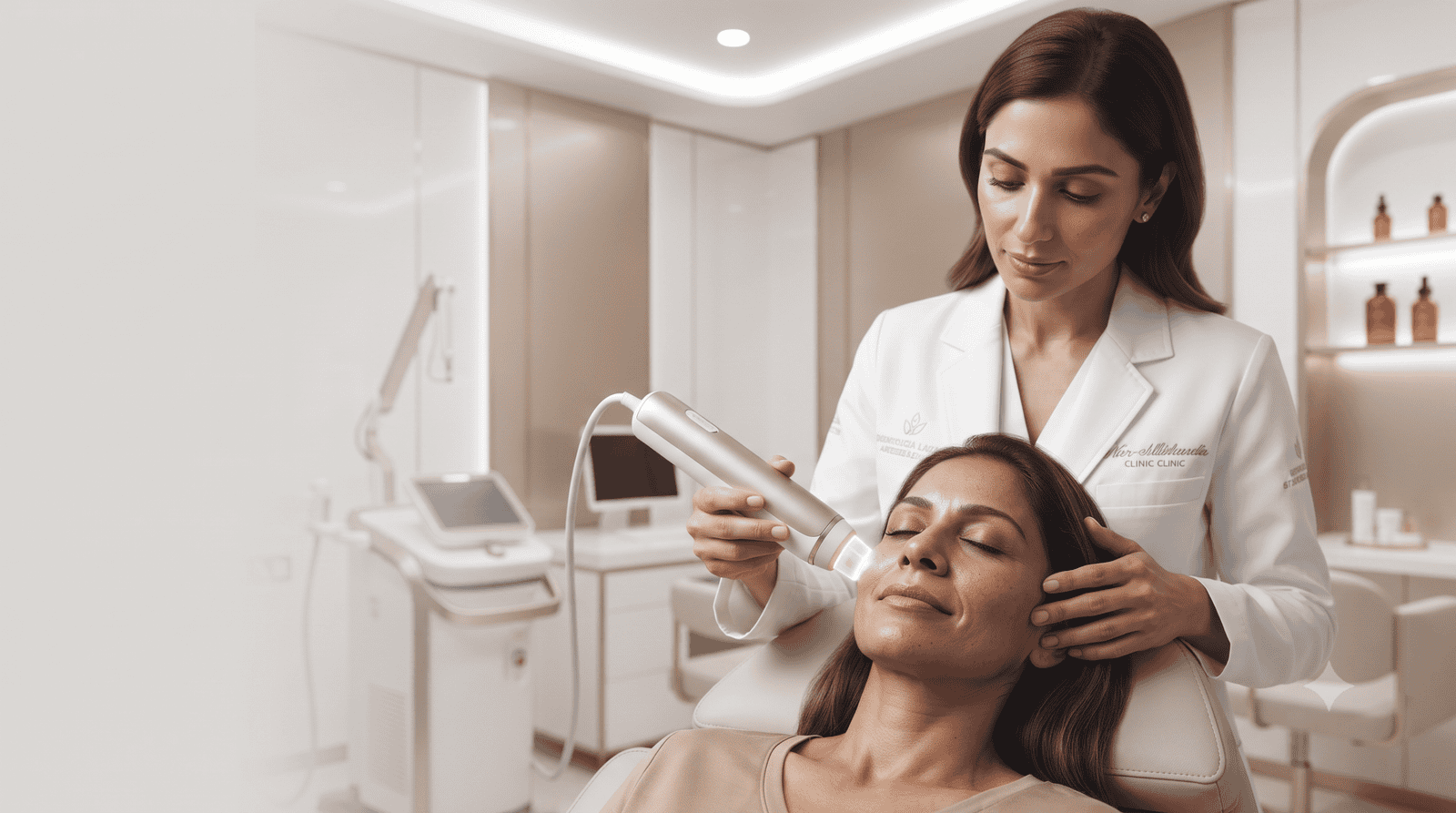
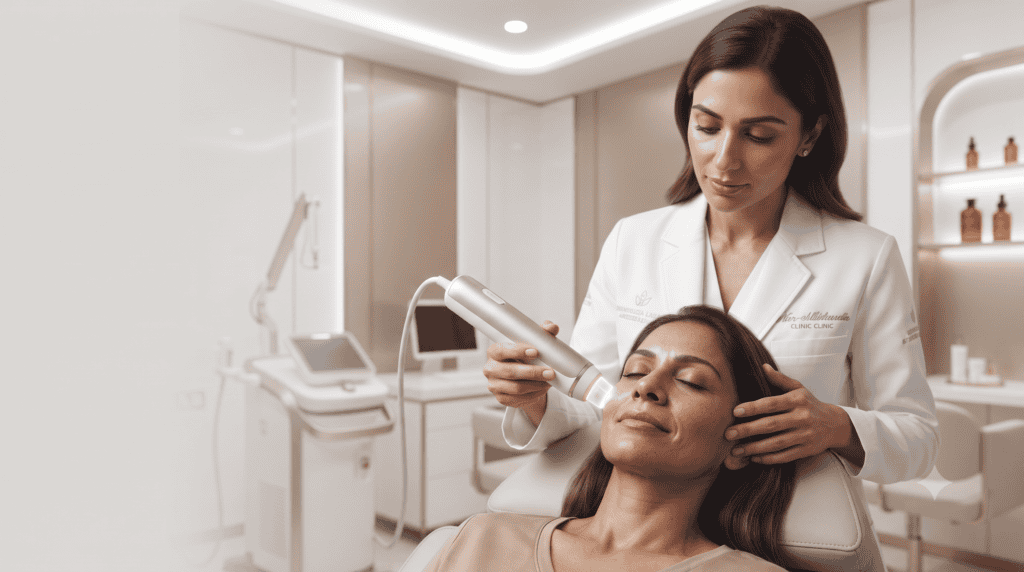
During treatment, a dermatologist uses a specialized laser device to deliver carefully controlled energy to targeted areas of the skin. The energy creates controlled thermal stimulation beneath the surface without significantly removing the outer skin layer.
As the skin responds, collagen remodeling takes place gradually. Over time, this may help the skin appear smoother, firmer and more even. Depending on the specific laser technology and the individual’s skin concerns, treatment may also help improve certain types of pigmentation and overall skin texture.
What Skin Concerns Can It Address?
Non-ablative laser rejuvenation may be considered for several common aesthetic concerns, including:
- Fine lines and early wrinkles
- Uneven skin texture
- Mild pigmentation and uneven skin tone
- Certain sun-related skin changes
- Enlarged pores
- Dull-looking skin
- Early signs of skin ageing
The exact results depend on the laser technology used, the individual’s skin type, the condition being treated and the treatment plan recommended by a qualified dermatologist.
What Can You Expect During Treatment?
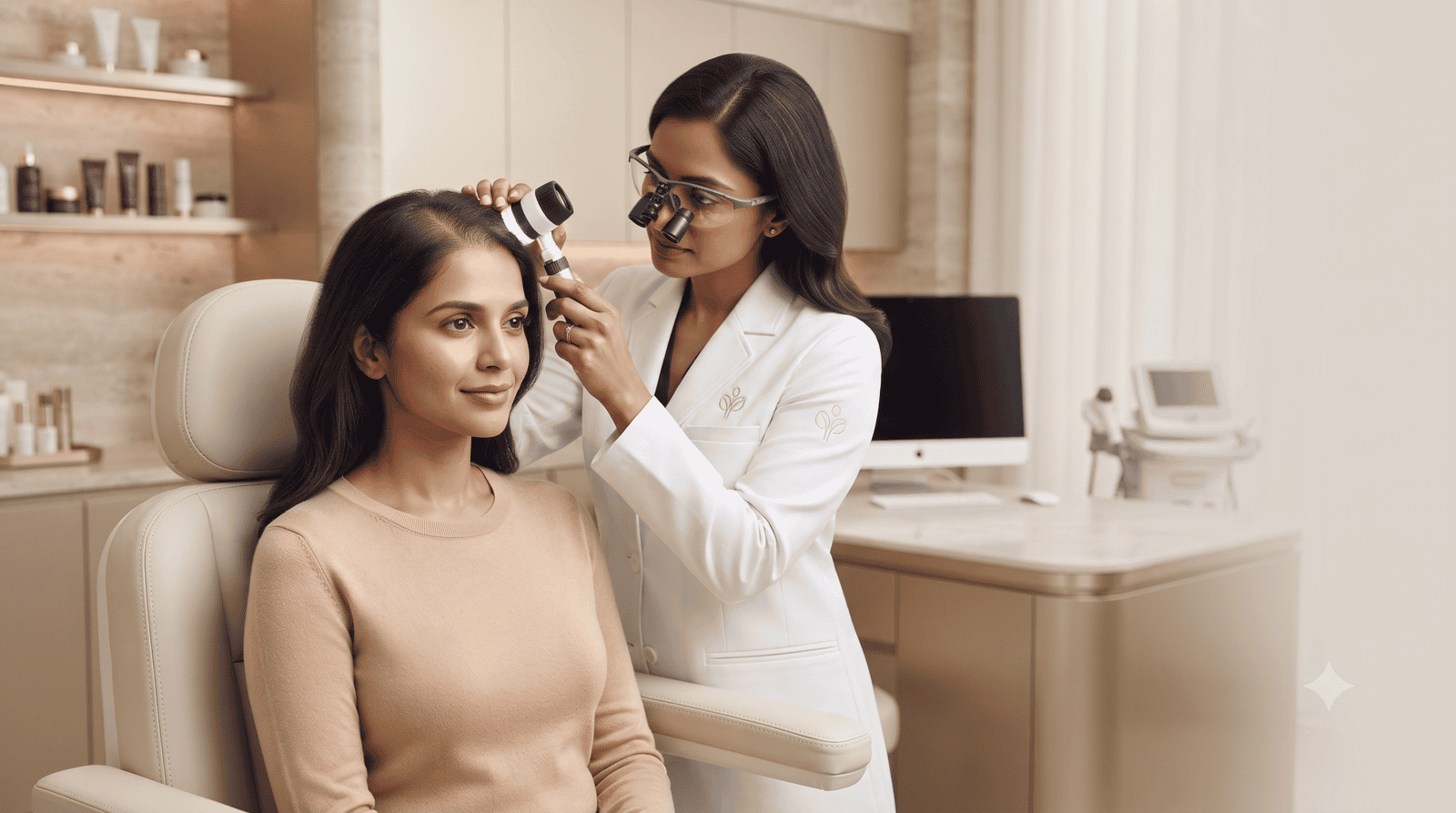
The procedure is generally performed in a dermatology or aesthetic clinic. Depending on the device and treatment area, a session may involve a cooling system or a topical numbing product to improve comfort.
After treatment, some people may experience temporary redness, warmth, mild swelling or sensitivity. These effects generally settle over a short period, although recovery can vary depending on the technology used and the individual’s skin.
One of the advantages of many non-ablative treatments is that they typically involve less downtime than ablative laser procedures. However, this does not mean that every laser treatment is suitable for everyone.
When Will You See Results?
Non-ablative laser rejuvenation usually produces gradual rather than instant results. Since collagen remodeling takes time, improvements may become more noticeable over several weeks or months. Some individuals may require multiple sessions to achieve their desired outcome.
Your dermatologist can recommend the number and spacing of sessions based on your skin condition, treatment goals and response to previous sessions.
Is It Suitable for Everyone?
Not necessarily. Laser treatment should be selected according to your skin type, pigmentation concerns, medical history and treatment goals. People with darker skin tones may require particularly careful laser selection and settings because certain laser treatments can increase the risk of unwanted pigmentation when used incorrectly.
A professional consultation with a qualified dermatologist is therefore an important first step. Your dermatologist can assess your skin and determine whether non-ablative laser rejuvenation is appropriate or whether another treatment would be more suitable.
Final Thoughts
Non-ablative laser rejuvenation offers a modern approach to improving skin quality without intentionally removing the skin’s surface. By stimulating controlled collagen remodeling, it may help improve texture, firmness, fine lines and selected pigmentation concerns over time.
The most important part of treatment is choosing the right laser technology, appropriate settings and a qualified medical professional. A personalized consultation can help you understand the potential benefits, limitations, expected recovery and possible risks before beginning treatment.