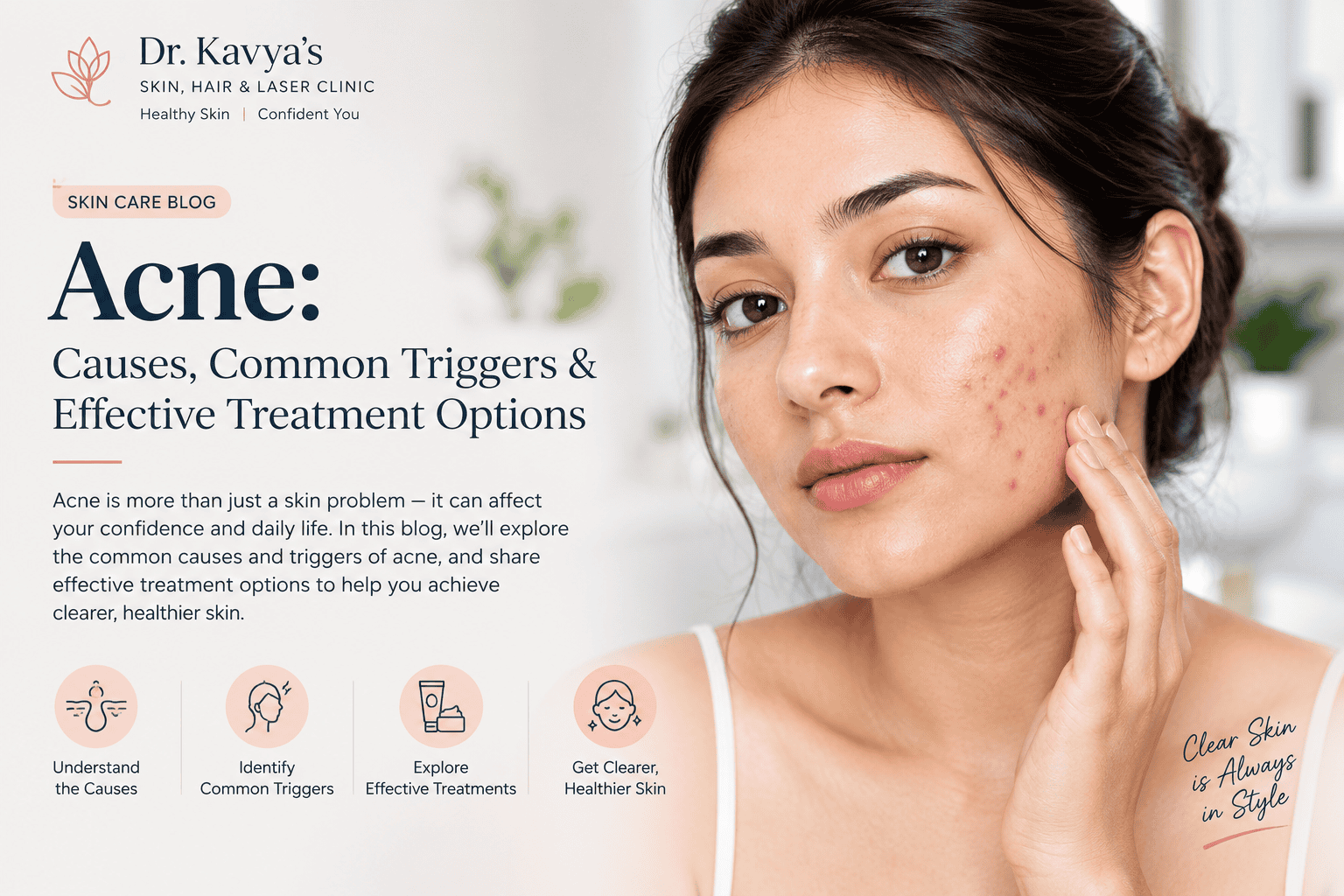

Pigmentation is one of the most common skin concerns, where certain areas of the skin become darker or uneven in colour compared to the surrounding skin. It can appear on the face, neck, hands, or other parts of the body and may affect people of different ages and skin types. While pigmentation is usually not harmful, it can affect the overall appearance and confidence of a person.
What Causes Pigmentation?
Skin colour is mainly determined by a natural pigment called melanin. When the skin produces excess melanin or when melanin becomes unevenly distributed, darker patches or spots can develop. Several factors may contribute to pigmentation, including prolonged sun exposure, hormonal changes, acne and skin inflammation, ageing, and certain skin conditions.
Common forms of pigmentation include melasma, post-inflammatory hyperpigmentation, sun spots, and uneven skin tone. Identifying the underlying cause is an important first step before choosing a suitable treatment.
How Can Pigmentation Be Treated?
The right treatment depends on the type, depth, cause, and severity of pigmentation. A dermatologist may recommend a personalized combination of skincare and professional treatments after examining the skin.
Depending on the individual condition, treatment options may include medical skincare, chemical peels, laser-based treatments, and other dermatological procedures. Chemical peels can help improve uneven skin tone by removing damaged surface skin cells, while selected laser treatments may be considered for certain types of pigmentation.
The Importance of Sun Protection
Sun exposure can worsen pigmentation and may make dark patches more noticeable. Protecting the skin from ultraviolet (UV) exposure is therefore an important part of pigmentation management. Using appropriate sun protection, avoiding prolonged direct sunlight, and following a dermatologist-recommended skincare routine can help support healthier-looking skin.
Why Professional Consultation Matters
Pigmentation can have different causes, and the same treatment may not be suitable for everyone. Self-treating dark patches with unsuitable products can sometimes irritate the skin and make pigmentation more noticeable.
A professional dermatology consultation can help identify the possible cause of pigmentation and determine an appropriate treatment approach based on your individual skin type and concerns.
At Dr. Kavya’s Skin, Hair & Laser Clinic, personalized dermatological care focuses on understanding each patient’s skin concerns and providing scientifically guided treatment options. If you are concerned about pigmentation, uneven skin tone, or dark patches, a professional skin assessment can help you understand the available options.
Healthy skin starts with understanding your skin. With the right guidance, consistent skincare, sun protection, and appropriate professional treatment, pigmentation can be managed as part of a personalized skin-care plan.
Treatment suitability and results vary from person to person. A dermatologist should evaluate your skin before starting any professional treatment.